


Solar usage reduces daytime power shortfall in LESCO region
 Rabbia Zafar
|
4 hours ago
Rabbia Zafar
|
4 hours ago
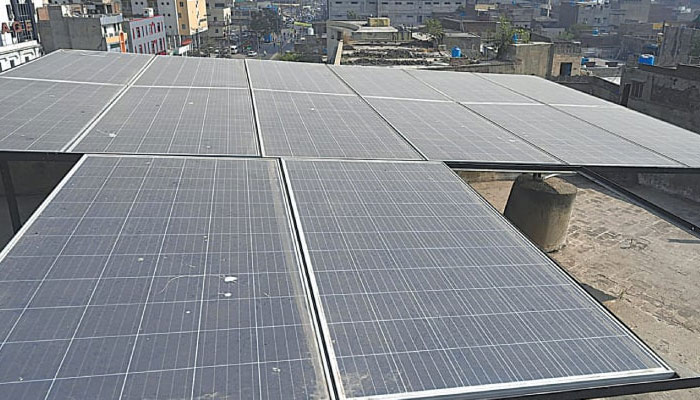
Rising use of solar energy by consumers has significantly improved the electricity supply situation in the Lahore Electric Supply Company region, eliminating the daytime power shortfall, according to official sources.
LESCO officials stated that electricity demand during the day stands at around 2,300 megawatts, which matches the available supply quota. As a result, no scheduled load shedding is currently required during daylight hours in both urban and rural areas.
The improvement is being attributed to the increasing adoption of rooftop solar systems by households and businesses, which is reducing reliance on the national grid during peak sunlight hours. Energy experts say this shift is helping stabilize daytime demand and easing pressure on the distribution network.
KP solar project faces controversy over repeated director changes
However, the situation changes during nighttime hours when solar generation is unavailable. According to LESCO sources, night-time demand rises to approximately 3,000 megawatts, while the available quota drops to around 2,600 megawatts. This gap results in planned load shedding of one to two hours in urban areas and up to four hours in rural regions.
Officials indicated that the situation is expected to improve further in the coming days as supply adjustments and demand patterns stabilize. They also noted that energy management strategies are being refined to better balance supply and demand across different times of the day.
Energy analysts suggest that the growing shift toward renewable sources like solar power could gradually reshape Pakistan’s electricity consumption patterns, particularly during peak daylight hours. However, they also emphasize the need for improved grid storage and nighttime supply solutions to address recurring deficits after sunset.
The development reflects a broader transition in the country’s energy landscape, where decentralized solar generation is playing an increasingly important role in meeting demand and reducing pressure on traditional power infrastructure.





China backs Pakistan’s diplomatic role in US-Iran engagement efforts

Israeli strike kills three in Gaza as ceasefire violence continues

Pakistan extends airspace ban on Indian aircraft until May 2026

Punjab disburses Rs191 billion under Apni Chat Apna Ghar housing scheme



31 minutes ago

1 hour ago

2 hours ago

2 hours ago
2 hours ago

3 hours ago
- A strike in the Gaza Strip killed three people overnight, according to the Palestinian civil defence agency, as tensions continue…
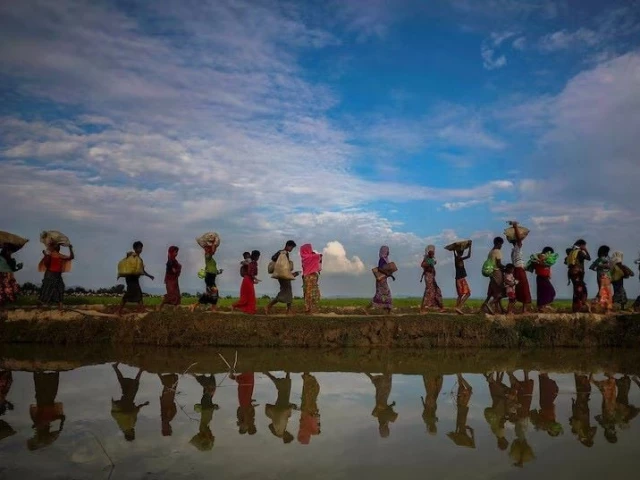
- A deadly boat disaster in the Andaman Sea has once again exposed the growing humanitarian crisis facing Rohingya refugees fleeing…
- The United States has expressed confidence that peace talks with Iran will proceed in Islamabad, even as uncertainty persists over…
 An explosion during a military training exercise in Japan has killed three soldiers, according to Prime Minister Sanae Takaichi. The…


 Pakistan’s second national anti-polio campaign of 2026 is continuing across the country, with efforts now in its sixth day as…
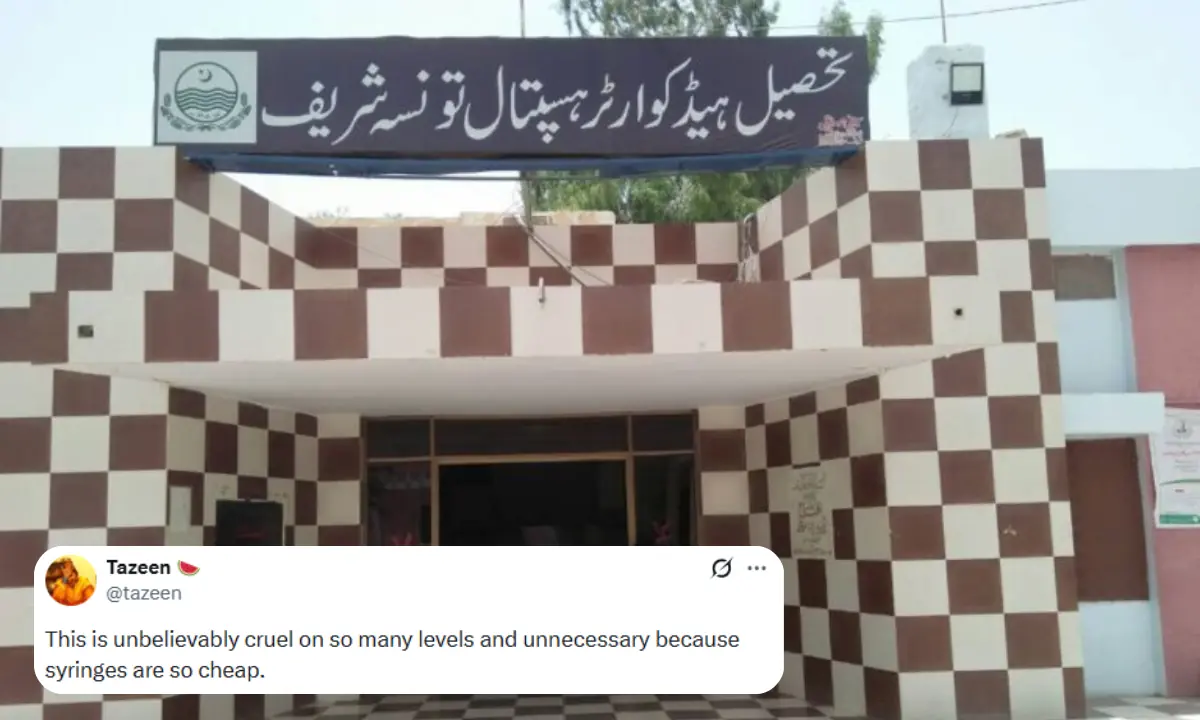
 A shocking report by BBC has triggered nationwide outrage in Pakistan after alleging severe medical malpractice at a Tehsil Headquarter…
 Pakistan’s second National Anti-Polio Campaign of 2026 is continuing across the country with full momentum, as health workers aim to…
 A new case of monkeypox has been reported in Karachi, raising fresh concerns among health authorities in the city. According…





- Renowned Hollywood actress Anne Hathaway has been named the world’s…31 minutes ago
- The Pakistan Navy has successfully conducted a test of its…1 hour ago
- The Election Commission of Pakistan (ECP) has suspended the upcoming…2 hours ago
- The Alhamra Arts Council has announced its first-ever Kathak Festival,…2 hours ago